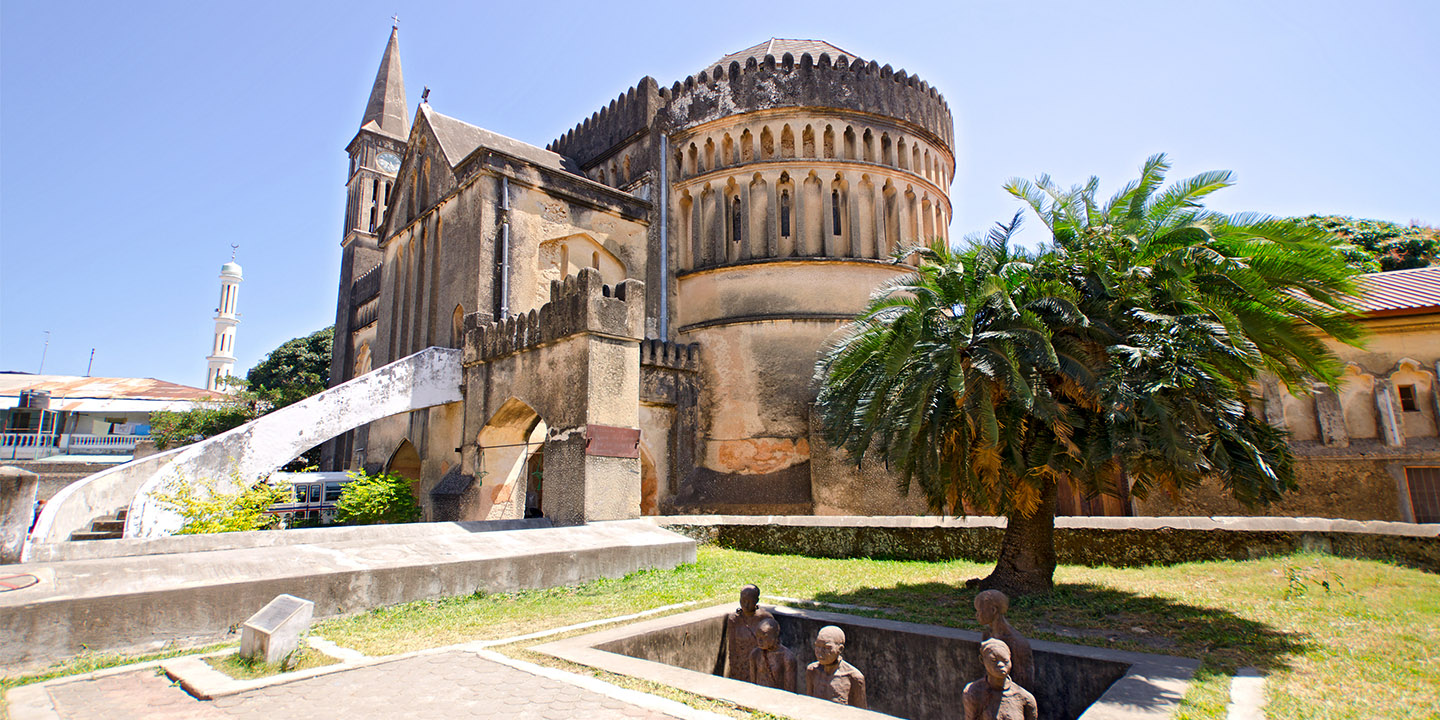
We can include a guided city tour on any of our tailor-made Zanzibar holidays. Its often convenient to spend a night in Stone Town if you arrive in the early evening or have an early morning flight. See a selection of Stone Town hotels here.
Zanzibar is the semi-autonomous part of Tanzania in East Africa. It is composed of the Zanzibar Archipelago in the Indian Ocean, 25–50 kilometres (16–31 mi) off the coast of the mainland, and consists of many small islands and two large ones: Unguja (the main island, referred to informally as Zanzibar) and Pemba. The capital is Zanzibar City, located on the island of Unguja. Its historic centre is Stone Town, which is a World Heritage Site.
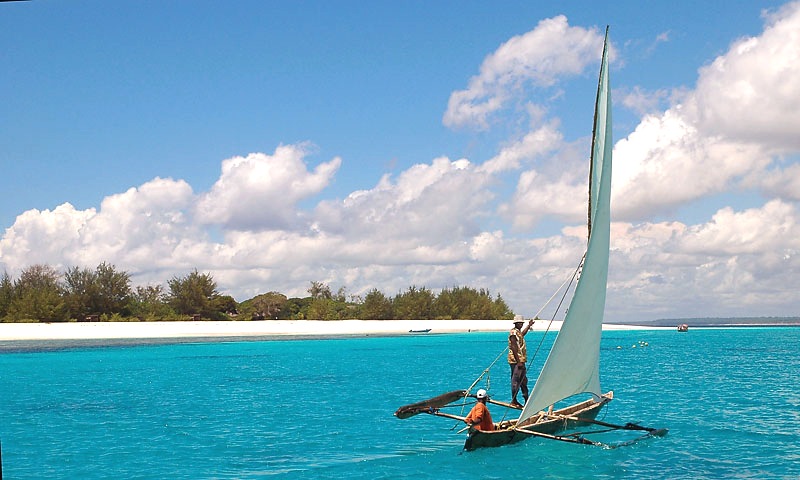
Zanzibar’s coastline offers some of the best beaches in the world, but sand and surf vary depending on what side of the island you’re on. On the east coast, waves break over coral reefs and sand bars offshore, and low tide reveals small pools of starfish, small minnows, and anemones. Up north, ocean swimming is much less susceptible to the tides, and smooth beaches and white sand make for dazzling days in the sun.
The port city of Stone Town dominates the west coast, and although the beaches of Mangapwani, where slave caves are visible at low tide and nearby Bububu are less than half an hour’s drive away, a night or two spent on the east or north cost is well worth the extra hour it takes to drive there. That said, the Chole Island Marine Park just off Stone Town – and nearby Prison, Grave, and Snake Islands – make a refreshing day-trip and a good break from exploring the winding passageways of the old city.
On the south coast of Zanzibar lies the Menai Bay Conservation Area, a sea turtle protection area for the endangered species that come to breed on the island. Roads to the southeast coast take visitors through the Jozani Forest, home to Zanzibar’s rare Red Colobus monkeys and a number of other primate and small antelope species.
Zanzibar Stone Town
Goods from Britain docked here before they moved on to other parts of Africa. No longer very prosperous in the fiscal sense, the island has a wealth of historical monuments to visit which commemorate the African, British and particularly Arab influences- sultan’s palaces, cathedrals, mosques, fortresses and old colonial houses. “Spice Tours” are the ideal way to see the island’s historic sites and spice plantations. There is also a sanctuary for the rare Zanzibar duiker and the red colobus monkey in the protected Jozani Forest, just twenty-five kilometers from the town.
Widespread intermarriage between Shirazis and Africans gave rise to a coastal community with distinctive features, and a language derived in part from Arabic, which became known as Swahili. The name Swahili comes from the Arab word sawahil, which means ‘coast’. The Zanzibar descendants of this group were not greatly involved in the lucrative slave, spice and ivory trades. Instead, they immersed themselves mainly in agriculture and fishing. Those Shirazi that did not intermarry retained their identity as a separate group. Indian traders arrived in connection with the spice and ivory trade, and quickly settled as shopkeepers, traders, skilled artisans and professionals. The British became involved in missionary and trading activities in East Africa, and attempting to suppress the slave trade centred in Zanzibar.
Why Zanzibar
Stone Town, with its bazaars, mosques, and winding streets, is the cultural heart of Zanzibar, and no visit is complete without spending some time exploring this fascinating city. We can include a guided city tour on any of our tailor-made Zanzibar holidays. Its often convenient to spend a night in Stone Town if you arrive in the early evening or have an early morning flight. See a selection of Stone Town hotels here.
There are many exceptional beaches in Zanzibar with the beaches on the east coast recognised as some of the best, even more beautiful than they appear on postcards and in travel brochures. The sand here is brilliant white and powder fine, and stretches from Nungwi, at the northern tip of the island to Chwaka.
To the north of Zanzibar, the verdant island of Pemba remains largely undeveloped and unchanged. Pemba has miles of glorious, deserted beaches, but few tourists visit the island
Book Now